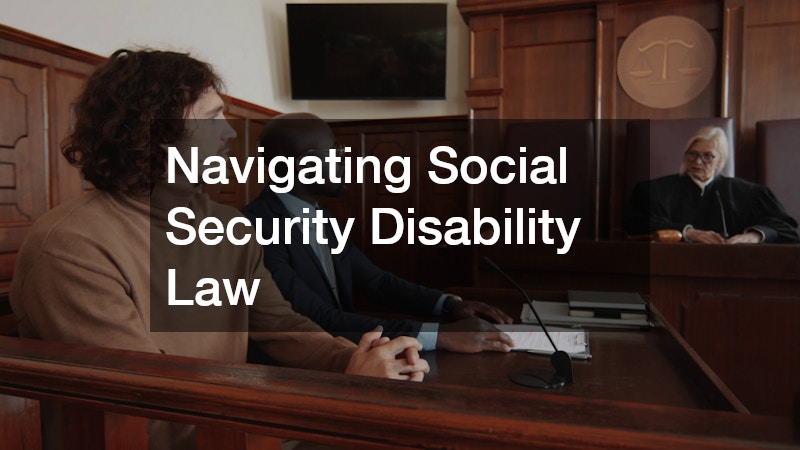
For millions of Americans, Social Security Disability benefits offer crucial support when medical conditions prevent working. These programs ensure stability during challenging times due to serious physical or mental impairments. Navigating Social Security Disability can be confusing, especially with unfamiliar legal terms and procedures. Understanding rules, qualifications, and the application process can improve chances of receiving benefits.
Administered by the Social Security Administration (SSA), Social Security Disability includes Social Security Disability Insurance (SSDI) and Supplemental Security Income (SSI). While serving similar purposes, they differ in eligibility based on work history and financial need.
The application requires extensive documentation to show that a condition limits work capability. Knowing what to expect helps avoid mistakes and delays.
Applicants often face issues like incomplete paperwork or insufficient documentation, leading to denials. Understanding the appeals process is crucial. By learning Social Security Disability law, individuals can approach the process confidently.
What is Social Security Disability Law?
Social Security Disability law governs benefits provided through the SSA, ensuring financial assistance for those unable to work due to severe conditions. These laws define evaluating disabilities, calculating benefits, and processing applications.
Disability benefits in the U.S. began in the mid-20th century. Over time, laws have refined disability assessment and benefit distribution. The law covers payroll tax-contributing individuals and those with limited income, recognizing conditions that substantially limit work. Key terms include “residual functional capacity,” “substantial gainful activity,” and “medically determinable impairment.”
One should be familiar with the legal frameworks that play an integral role in access to these crucial benefits.
How Do I Qualify for Social Security Disability Benefits?
Qualifying requires meeting medical and financial criteria. Applicants must prove a medical impairment lasting at least 12 months, limiting work activities. SSDI applicants also need enough work credits. The SSA’s Blue Book lists impairments that may qualify, but unlisted conditions may also qualify if they prevent substantial work.
Applying involves submitting medical records and documentation from healthcare providers. Despite strong documentation, many applications face initial denial due to insufficient evidence or incomplete forms.
Ensuring you meet these qualifications can greatly enhance your chances of a successful application.
What is the Application Process for Social Security Disability?
Applications can be filed online, by phone, or at a Social Security office, with personal, employment, and medical condition details. Accurate form completion is essential. Once submitted, the SSA gathers medical records for review, often taking several months for a decision.
Understanding each step in the process ensures a smoother experience and reduces the likelihood of errors.
It is highly recommended to keep copies of all submitted documentation and promptly follow up on any correspondence from the SSA.
What Should I Do if My Social Security Disability Application is Denied?
Denials are common, but benefits might still be attainable. Understanding denial reasons helps in appealing. The appeals process starts with reconsideration, and if denied again, moves to a hearing with an administrative law judge. Legal representation can enhance the appeal process. Furthermore, having a clear understanding of the timeline and deadlines associated with each stage of the appeal can improve your chances of success.
Knowing your options post-denial can empower you to pursue other avenues for receiving your entitled benefits. It is crucial to keep comprehensive documentation and evidence to strengthen your case during the appeals process. Additionally, actively seeking support and advice from professionals who specialize in navigating appeals can provide invaluable insights and boost your confidence throughout the process.
Can I Work While Receiving Social Security Disability Benefits?
Some beneficiaries can work under certain conditions, with the SSA allowing a Trial Work Period to test work ability without losing benefits. It’s important to stay informed about the income limits and regulations to ensure compliance and continue receiving benefits. Earnings exceeding SSA limits after this period may affect benefits. Reporting income and employment changes to the SSA is crucial. Additionally, participating in this program requires a clear understanding of how the earnings will impact future benefits and eligibility.
Working within the provided guidelines can enable recipients to sustain some income while maintaining their benefits.
Social Security Disability law ensures financial support for those unable to work due to severe medical conditions. Proper understanding and preparation can improve chances of securing benefits. Even if initially denied, the appeal offers another opportunity to present evidence effectively.